

MA-ID: 1460857602246
Bewertungen Senatus

Perfekt, tolles Artefakt, schnell und sicher verschickt, danke, sehr gerne ...
Perfekt, tolles Artefakt, schhnell und sicher verschhickt, danke, sehr gern...
Todo perfecto. El envío muy rápido y bien protegido. Vendedor muy recomenda...
Todo perfecto. El envío muy rápido y bien protegido. Vendedor muy recomenda...
Asian art China: Pair of Ming Dynasty pottery horsemen, 1368-1644 AD


Senatus Consulto 
6
Seit 6 Jahren bei MA-Shops
1963 Bewertungen,
99,9 % Positiv (seit 24 Monaten)
Weltweiter Versand
1285,00 EUR
MwSt. fällt nicht an oder darf nicht ausgewiesen werden.
zzgl. 80,00 EUR Versand ( nach Deutschland )
Lieferzeit: 5 - 8 Tage*
zzgl. 80,00 EUR Versand ( nach Deutschland )
| Bestellhotline +49 (0)2871 2180 383 |
| Zahlungsarten |
| Überweisung |
A pair of matching high Quality Chinese Tomb Pottery figures of mounted military horsemen, dating to the Ming Dynasty 1368-1644 AD.
Finely detailed warriors on horsebacks, one is holding a bow, the other a drawn sword. Fully equipped with detailed armor in Sancai green and orange glaze. Other details in white, black and red pigment. A pair of high quality figures from around the Middle Ming period, ca. 1500-1550 AD.
The figures are guaranteed authentic and comes with our COA.
Size: ca. 31-32 cm. high and 26 cm. wide.
Condition: Good Very fine and intact with nice patinas.
Ex. Danish Private Collection.
About Ming Tomb figures: Tomb figures, also known as mingqi, were funerary objects placed in tombs during the Ming Dynasty (1368-1644) in China. These figures were made of clay, wood, or bronze, and were intended to provide the deceased with companionship, entertainment, and protection in the afterlife.
They included statues of people, animals, and mythical creatures, as well as models of houses, furniture, and other objects. These figures were typically painted or glazed, and were often buried with the deceased in their tombs.
The production of mingqi was a significant industry during the Ming Dynasty, and many skilled artisans were employed to create these objects.
The number of tomb figures, or mingqi, placed in a Ming Dynasty (1368-1644) tomb varied depending on the wealth and status of the individual being buried. Elite tombs, such as those of emperors and high-ranking officials, could have hundreds or even thousands of mingqi, while the tombs of commoners might have only a few.
The quantity of mingqi in a tomb also varied depending on the time period and location. For example, tombs from the early Ming period (1368-1425) were typically larger and contained more mingqi than those from the late Ming period (1550-1644) which were smaller. Additionally, tombs from the southern regions of China tended to have more mingqi than those from the north.
In general, it is believed that the purpose of the mingqi was not only to provide the deceased with companionship, entertainment, and protection in the afterlife, but also to demonstrate the wealth and status of the individual during their lifetime.
The size of Ming Dynasty tomb figures, or mingqi, varied depending on the type of object and the wealth and status of the individual for whom it was made. Some of the largest mingqi were statues of people and animals, which were typically several feet tall.
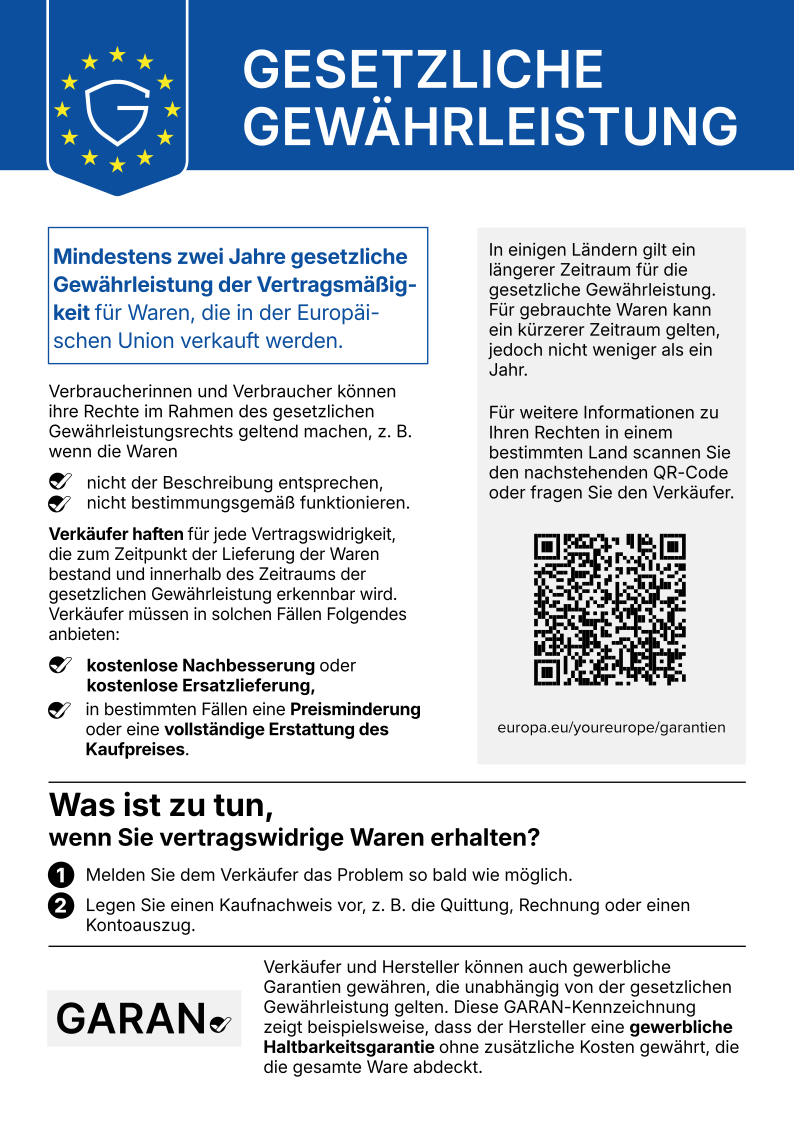

Informationen zum Kauf bei MA-Shops
Bestellungen bei MA-Shops sind jederzeit möglich und werden innerhalb von 2-4 Arbeitstagen verschickt.
Ein über die MA-Shops abgesicherter Kauf findet niemals außerhalb von MA-Shops statt.
Bestellen Sie sicher online mit dem MA-Shops Warenkorb.
Vielen Dank.
Ein über die MA-Shops abgesicherter Kauf findet niemals außerhalb von MA-Shops statt.
Bestellen Sie sicher online mit dem MA-Shops Warenkorb.
Vielen Dank.
|
Vertrag widerrufen Verkäufer-Startseite | 0Warenkorb | AGB | Impressum | MA AGB | Datenschutzerklärung | Garantie | MA-Shops Neuzugänge Copyright ® 2001-2026, MA-SHOPS Muenzen All Rights Reserved. Designated trademarks and brands are the property of their respective owners. |