

Filter und Sortierung
Bewertungen Palmyraheritage

Great Service and fast prompt delivery
very nice
Great fast service! Thanks!
nice coin
MA-ID: 928700212
Mysia, Pergamon AR Cistophoric Tetradrachm c. 85-76 BC Cistophoric type. Kt-, prytaneis. Cista mystica / Two serpents around bowcase ss


357,92 EUR395.00 US$
Es kann Einfuhrumsatzsteuer anfallen.
zzgl. 27,18 EUR Versand ( nach Deutschland )
Lieferzeit: 5 - 8 Tage*
zzgl. 27,18 EUR Versand ( nach Deutschland )
| Bestellhotline +49 (0)2871 2180 383 |
| Zahlungsarten |
| Überweisung |
| Scheck/Money Order |
MYSIA, Pergamon. Circa 166-67 BC. AR Tetradrachm (26.5mm, 12.25 g, 12h). Cistophoric type. Kt-, prytaneis. Struck circa 85-76 BC.
Obv: Cista mystica, from which serpent emerges, within ivy wreath.
Rev: Two serpents entwined around bow and bowcase; above, KT above prytaneis monogram; civic monogram to left, serpent-entwined thyrsos to right.
Kleiner, Hoard 38; CN Online Type 11379; HGC 8, 739. VF.
History & Context: The basket of Dionysos
The cistophoros, or "basket-bearer," takes its name from the cista mystica on its obverse: the sacred wicker chest used in the secret rites of Dionysos, with a snake slithering out from under its lid. The Attalid kings of Pergamon introduced the coin around 166 BC as the shared currency of their kingdom, deliberately lighter than other tetradrachms so it stayed in circulation at home. Pergamon's cities kept striking it after Rome inherited the kingdom in 133 BC. This example was struck around 85-76 BC, in the troubled years after Mithridates VI of Pontus swept through the province of Asia and Sulla's legions took it back.
Info / FAQ
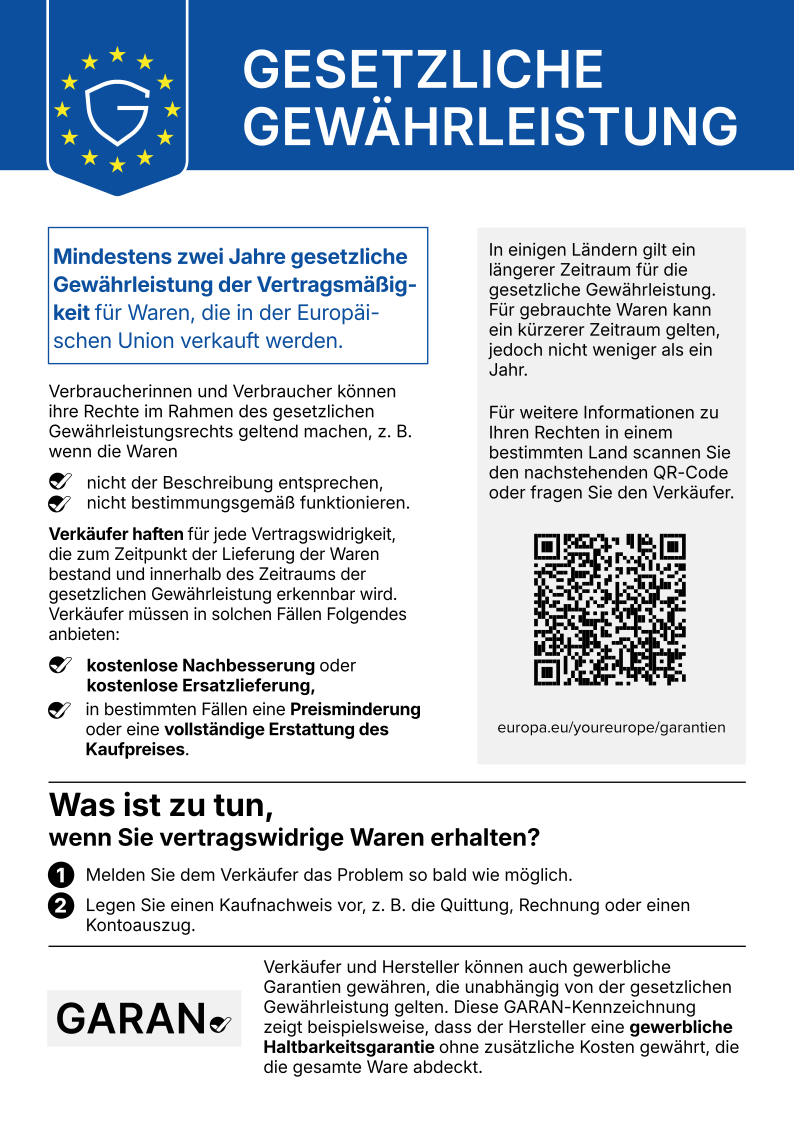

Informationen zum Kauf bei MA-Shops
Bestellungen bei MA-Shops sind jederzeit möglich und werden innerhalb von 2-4 Arbeitstagen verschickt.
Ein über die MA-Shops abgesicherter Kauf findet niemals außerhalb von MA-Shops statt.
Bestellen Sie sicher online mit dem MA-Shops Warenkorb.
Vielen Dank.
Ein über die MA-Shops abgesicherter Kauf findet niemals außerhalb von MA-Shops statt.
Bestellen Sie sicher online mit dem MA-Shops Warenkorb.
Vielen Dank.
|
Vertrag widerrufen Verkäufer-Startseite | 0Warenkorb | AGB | Impressum | MA AGB | Datenschutzerklärung | Garantie | MA-Shops Neuzugänge Copyright ® 2001-2026, MA-SHOPS Muenzen All Rights Reserved. Designated trademarks and brands are the property of their respective owners. |