

Filter und Sortierung
Bewertungen Henzen

Zoals altijd snelle levering. Produkt als omschreven. Topverkoper!
ik ben heel tevreden keurig geleverd en goede kwaliteit
Nice coin. Well packaged. Good accompanying description.
Excellent!
MA-ID: 8830002010
Gulden 1491-1528 GERMANY - OST-FRIESLAND - EDZARD I, - Emder n.d., Emden vf-/vf


750,00 EUR
Differenzbesteuert
zzgl. 13,00 EUR Versand ( nach Deutschland )
Lieferzeit: 5 - 8 Tage*
zzgl. 13,00 EUR Versand ( nach Deutschland )
| Bestellhotline +49 (0)2871 2180 383 |
| Zahlungsarten |
| Überweisung |
vf-/vf | Abkürzungen
21,50 mm
weight 2,55gr. | gold Ø 21,5mm.
obv. John the Baptist standing frontally with a halo and nimbus,
his right hand in a blessing posture, in his left hand he holds the
Lamb of God, within reeded circle, surrounded by the legend
ЄDZARD′xCO - Є - OIЄN′xPhRI′
rev. Imperial orb within trefoil, within reeded circle, surrounded
by the legend ✥FRЄDRICxROMANORVxIMPЄ
Edzard I, also Edzard the Great, was born in Greetsiel on 15 January 1462, son of count Ulrich I and Theda Ukena. He was a descendant of the House of Cirksena. Edzard succeeded his brother Enno in 1492 as count of East-Friesland. In 1498 he married with Countess Elisabeth of Rietberg-Arnsberg (1470–1512), daughter of John I, Count of Rietberg and had seven children. He fought with George, Duke of Saxony over Friesland and Groningen. The city of Groningen accepted him as its lord in 1506, but in 1514 renounced him again in favor of Karel van Egmont, duke of Guelders. After he returned from a pilgrimage to Jerusalem in 1492, he took over the rule of East Frisia together with his mother, Theda. After his mother died in 1494, he ruled with his less significant brother Uko. Edzard′s energetic approach against his opponents, the East Frisian leaders Hero Oomkens of Esens, Stedesdorf and Wittmund and Edo Wiemken of Jever, whom he quickly managed to subdue, characterized his rule. He was also a supporter of the Protestant Reformation in his territories through the creation of new East Frisian laws, the reform of the coinage, and the introduction of primogeniture for his house, the house of Cirksena. His foreign policies led to a three-year war (1514–1517) against Duke George of Saxony. The war was mostly fought on East Frisian territory and destroyed large areas. For example, the city of Aurich was burned to the ground. Duke George of Saxony was appointed stadtholder of all Frisian territories in 1514 by Maximilian I, Holy Roman Emperor. This was not accepted by the city of Groningen. Count Edzard saw this as a chance to expand his influence in the province of Groningen, and proclaimed himself protector of the city. As a result, 24 German dukes and counts invaded the Frisian lands with their troops and devastated the region. Edzard was proclaimed an outlaw (Reichsacht) by the emperor. During the three-year war, Edzard eventually managed to keep the majority of East Frisia under his control. Only when Charles V came to power in the Netherlands did Edzard manage to end the war by getting himself confirmed as ruler of East Frisia. Edzard died on14 February 1528. Struck in name of emperor Frederic III (1440-1493). Given the fairly extensive production and the die variants, it is plausible that this type continued to be struck in the name of Emperor Frederick III even after his death in 1493, possibly throughout the entire reign of Edzard I. In charters and accounts, this type of gold guilder is referred to as: "Emder Gulden mit E tusschen de voeten". A Nuremberg study from 1551 established that these guilders had a fineness of 15 carat (625/1000). These gold guilders served not only for circulation in East Frisia but found their way in large numbers to other areas, particularly Germany and the Netherlands, although records of this coin type can also be found in France. Due to the low gold content, the authorities were not very happy with the presence of these guilders in monetary transactions in their area.
Kappelhoff 102 | Knyphausen 6337-44, 9695 |
Tergast-Meier 18 Friedberg 873
struck with some minor weaknesses
vf-/vf
Bitte beachten Sie unsere Mindestabnahme von 20 Euro. Sendungen nach China sind auf Gefahr des Käufers und nur Zahlung per banküberweisung. An PayPal und Kreditkarte Zahlungen sind immer Verwaltungs- und Risikokosten verbunden. Sendungen nach Russland, Ukraine und israel sind nicht möglich. Der Versand erfolgt innerhalb von 5 Tagen nach Zahlungseingang. BITTE KEIN PAYPAL ODER KREDITKARTE ZAHLUNGEN FÜR EU. Zahlen Sie bitte immer nur mit IBAN; schnell, billig und zuverlässich.
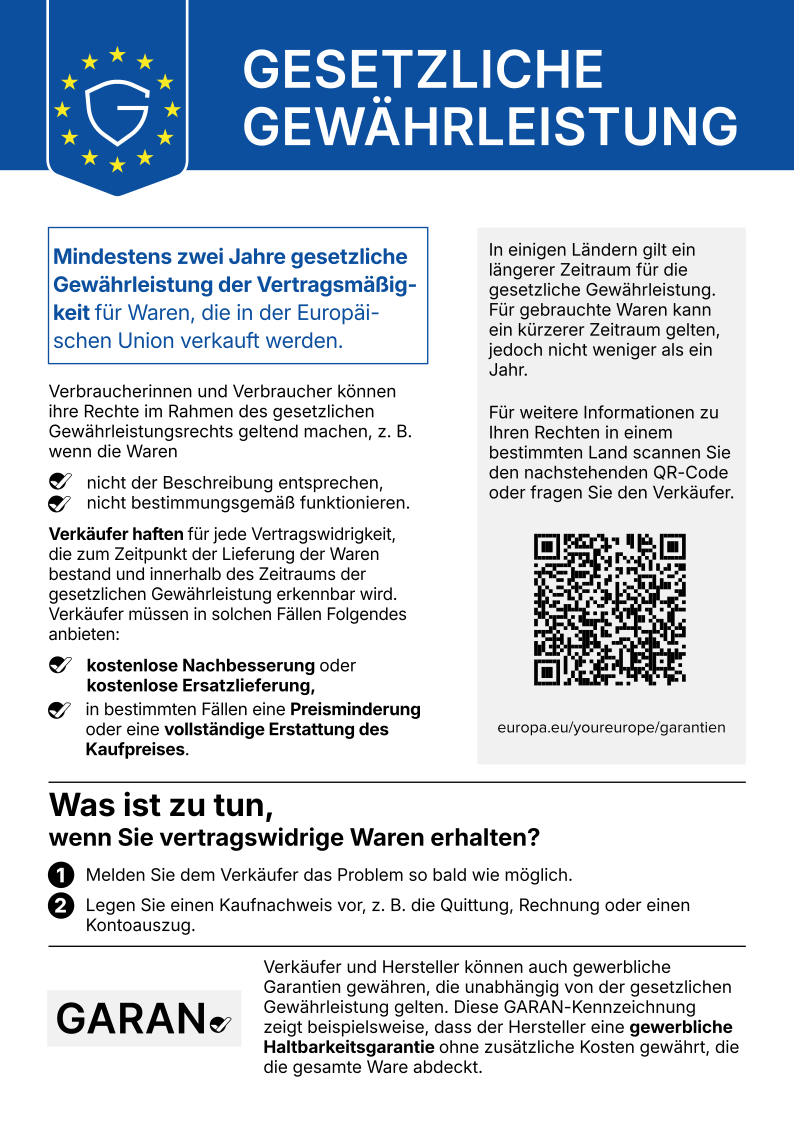

Informationen zum Kauf bei MA-Shops
Bestellungen bei MA-Shops sind jederzeit möglich und werden innerhalb von 2-4 Arbeitstagen verschickt.
Ein über die MA-Shops abgesicherter Kauf findet niemals außerhalb von MA-Shops statt.
Bestellen Sie sicher online mit dem MA-Shops Warenkorb.
Vielen Dank.
Ein über die MA-Shops abgesicherter Kauf findet niemals außerhalb von MA-Shops statt.
Bestellen Sie sicher online mit dem MA-Shops Warenkorb.
Vielen Dank.
|
Vertrag widerrufen Verkäufer-Startseite | 0Warenkorb | AGB | Impressum | MA AGB | Datenschutzerklärung | Garantie | MA-Shops Neuzugänge Copyright ® 2001-2026, MA-SHOPS Muenzen All Rights Reserved. Designated trademarks and brands are the property of their respective owners. |