

MA-ID: 8735502010
Bewertungen Henzen

Great coins, fast delivery, all good!
????
Perfect!
Tip-Top Danke
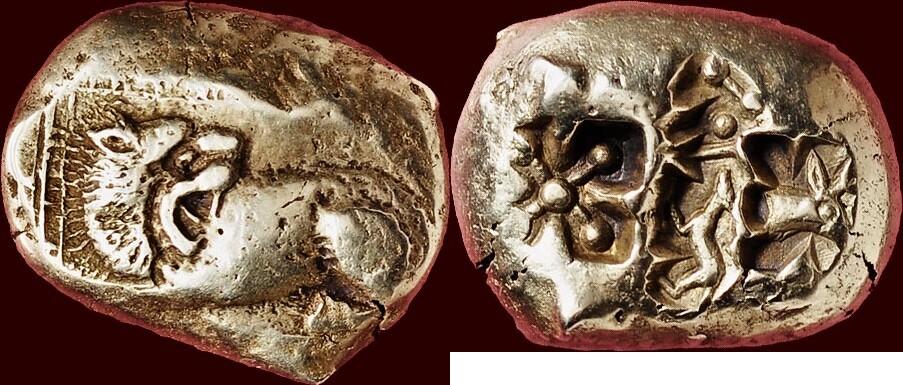
EL Stater 560-545 v. Chr. IONIA, MILETOS - TIME OF KING KROISOS OF LYDIA - circa 560-545 BC vf/xf
Munthandel G.Henzen 
11
Seit 11 Jahren bei MA-Shops
8022 Bewertungen,
100 % Positiv (seit 24 Monaten)
Weltweiter Versand
38500,00 EUR
Differenzbesteuert
zzgl. 18,00 EUR Versand ( nach Deutschland )
Lieferzeit: 5 - 8 Tage*
zzgl. 18,00 EUR Versand ( nach Deutschland )
| Bestellhotline +49 (0)2871 2180 383 |
| Zahlungsarten |
| Überweisung |
vf/xf | Abkürzungen
weight 13,96gr. | electron 19 x 15mm.
obv. Lion reclining left, head reverted, within rectangular
frame divided into smaller rectangular compartments
rev. Central oblong punch, containing three pellets connected in Λ shape,
two parallel lines, and a fox standing left flanked by two square punches
containing a stellate pattern (left) and a stag′s head right (right).
The earliest coins were of very high value. The standard coin, the stater struck from electrum (a natural alloy from gold and silver), was worth approximately a soldier′s monthly pay. The early coinage could thus only be used for large payments. The most famous coin type of ancient Miletus, and one of the earliest of all coins that can be attributed to a particular city, is this electrum stater that features a crouching lion regardant on the obverse, and three incuse punches on the reverse. Although they are not excessively rare, these electrum staters (weighing just over fourteen grams) are understandably very expensive. The fourteen-gram staters, however, represent only one denomination in a complete denominational series that also included thirds, sixths, twelfths, and twenty-fourths of a stater, and perhaps smaller denominations as well. These lesser denominations, not surprisingly, command less stratospheric prices. Several Greek cities, including Miletos, as well as the Lydian kings began minting these first coins by stamping the badge of their city into one side of a standard weight lump of electrum and various punches into the other. These devices were used to facilitate trade by certifying that the intrinsic value and weight of the metal was guaranteed by the issuing authority. Of these first coins, those of Miletos like the current example (circa 560-545 BC), are probably the finest from an artistic perspective. The lion, cleverly configured with its head reverted and tail curled over its haunch to neatly fit within the rectangular frame, is a masterpiece of Archaic Greek art. The vigor and ferocity of the beast are beautifully conveyed by its snarling countenance and erect mane.
Mitchiner (and other numismatists) relates the mintage of this cointype to the reign of the Lydian King Kroisos (circa 560-546 BC). The Ionian cities were economically important to Lydia as trading intermediaries who provided a commercial outlet to the sea. The first city he attacked was Ephesos in circa 558 BC, and thereafter he subdued the rest of Ionia. The cities thereafter paid tribute to Kroisos but appear to have retained a great deal of autonomy. Miletos prospered during the time of Kroisos and minted a refined and attractive electrum coinage of staters and fractions. The ″reclining lion in oblong frame″ characterized the staters, while most fractions bore only the head of the lion.
cf. BMC Lydia 183,2 | SNG.Copenhagen- | SNG.von Aulock.- |
Mitchiner ATAEC 190var. | SNG.Kayhan 440var. | cf. Babelon, Traité, Pl.I, 15 |
Weidauer 126var. | cf. Konuk & Lorber fig. 18 | Rosen Collection- (cf. 577) |
Kraay – (cf. Pl.3, no.55) | cf. Kraay-Hirmer Plate 178, 591 |
cf. Mionnet Suppl. IX (1839), plate 10,1 | cf. Boston MFA.1882 |
cf. Principal Coins of the Greeks I.A.7 | Sear- (cf. 3439) Hilbert S.28.1 (this coin),
obverse A14 (plate 15) / reverse X-F11-Hk13 (plate 28) RR
A particularly well-struck and clear example for this issue.
Spectacular coin! Hard to find this nice. Very rare.
vf/xf
Bitte beachten Sie unsere Mindestabnahme von 20 Euro. Sendungen nach China sind auf Gefahr des Käufers und nur Zahlung per banküberweisung. An PayPal und Kreditkarte Zahlungen sind immer Verwaltungs- und Risikokosten verbunden. Sendungen nach Russland, Ukraine und israel sind nicht möglich. Der Versand erfolgt innerhalb von 5 Tagen nach Zahlungseingang. BITTE KEIN PAYPAL ODER KREDITKARTE ZAHLUNGEN FÜR EU. Zahlen Sie bitte immer nur mit IBAN; schnell, billig und zuverlässich.
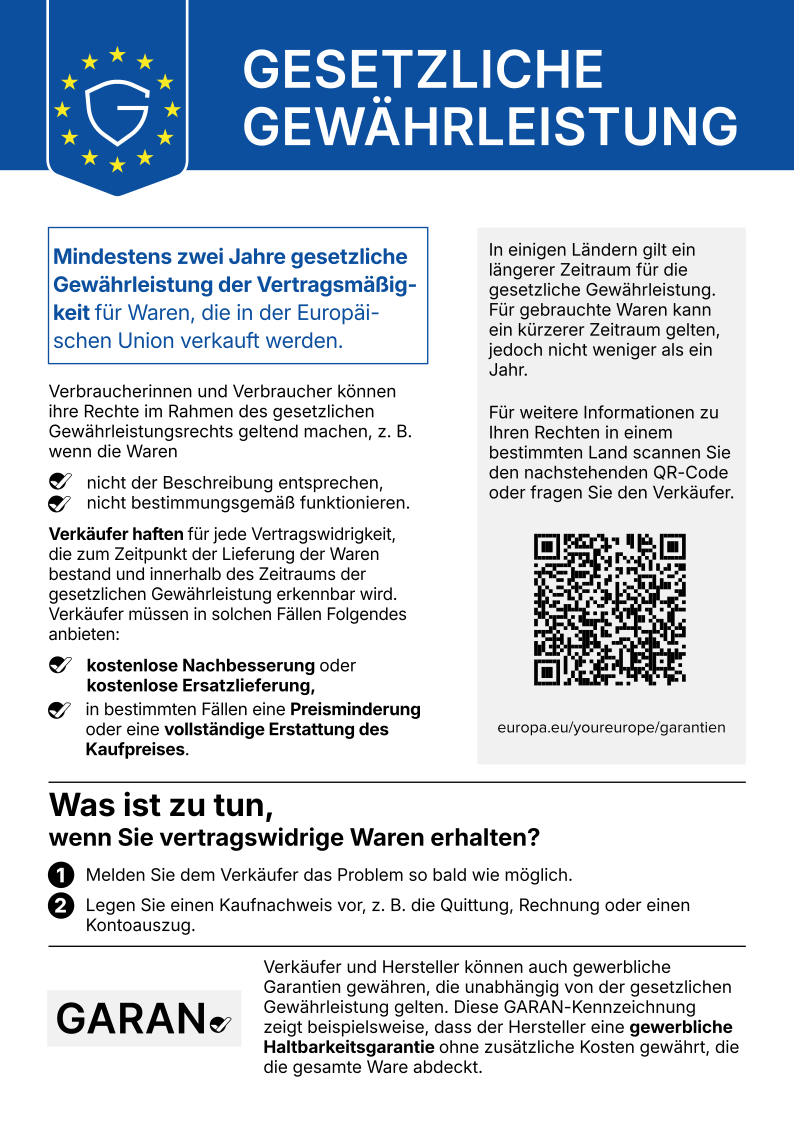

Informationen zum Kauf bei MA-Shops
Bestellungen bei MA-Shops sind jederzeit möglich und werden innerhalb von 2-4 Arbeitstagen verschickt.
Ein über die MA-Shops abgesicherter Kauf findet niemals außerhalb von MA-Shops statt.
Bestellen Sie sicher online mit dem MA-Shops Warenkorb.
Vielen Dank.
Ein über die MA-Shops abgesicherter Kauf findet niemals außerhalb von MA-Shops statt.
Bestellen Sie sicher online mit dem MA-Shops Warenkorb.
Vielen Dank.
|
Vertrag widerrufen Verkäufer-Startseite | 0Warenkorb | AGB | Impressum | MA AGB | Datenschutzerklärung | Garantie | MA-Shops Neuzugänge Copyright ® 2001-2026, MA-SHOPS Muenzen All Rights Reserved. Designated trademarks and brands are the property of their respective owners. |