

MA-ID: 8444202010
Bewertungen Henzen

Sehr schnelle Lieferung und Münze
tres belle piece. Felicitations
Great coins, fast delivery, all good!
????
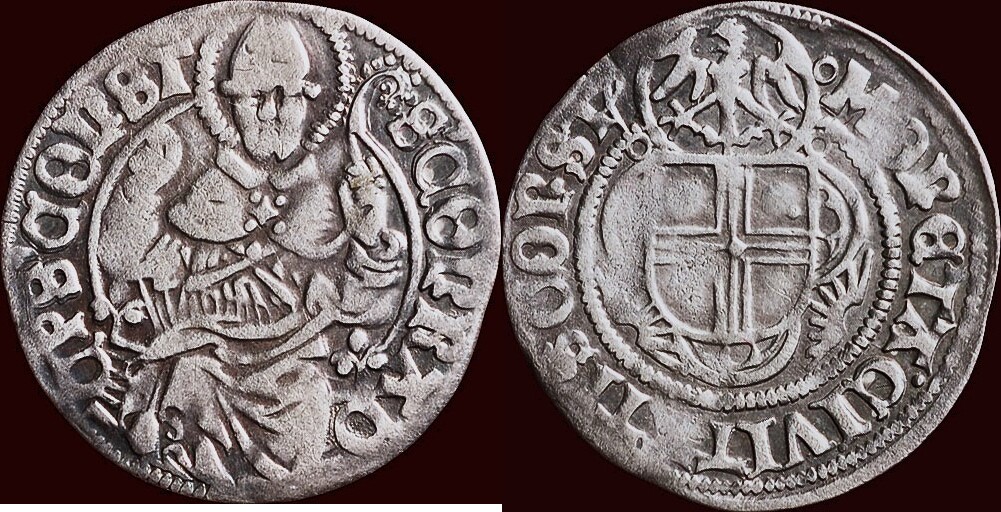
½ Batzen GERMANY - KONSTANZ, REICHSSTADT - or Schilling n.d. vf
Munthandel G.Henzen 
11
Seit 11 Jahren bei MA-Shops
8027 Bewertungen,
100 % Positiv (seit 24 Monaten)
Weltweiter Versand
75,00 EUR
Differenzbesteuert
zzgl. 9,50 EUR Versand ( nach Deutschland )
Lieferzeit: 5 - 8 Tage*
zzgl. 9,50 EUR Versand ( nach Deutschland )
| Bestellhotline +49 (0)2871 2180 383 |
| Zahlungsarten |
| Überweisung |
vf | Abkürzungen
21,00 mm
weight 1,52gr. | silver Ø 21mm.
obv. Saint Conrad of Parzham seated on throne in circle,
surrounded by the legend S CONRAD - CPS′ CONST
(Sanctus Conradus Episcopus Constantiae, translation
Saint Conrad, bishop of Constanz)
rev. Shielded city arms within trefoil with imperial eagle
under arch above in dotted circle, surrounded by the legend
∘MONЄTA•CIVITATIS CONST
variant: with CPS instead of (the correct) ЄPS
Conrad was born ca. 900, a member of the powerful Welf family, son of Count Heinrich of Altdorf. After an education at the cathedral school in Constance, he became provost of Constance Cathedral and in 934 was made Bishop of Constance. It is counted as one of his achievements that he avoided becoming enmeshed in the politics of the day and reserved his energies for his episcopal duties. He was nevertheless close to Emperor Otto I, whom he accompanied to Italy in 962. Conrad made three pilgrimages to Jerusalem as well as a number to Rome. He founded a number of churches on the episcopal estates and the hospital at Kreuzlingen, named after a portion of the True Cross which Conrad brought back from Jerusalem and presented to it. Conrad died on 26 November 975.
Konstanz is a very old city in the Baden-Württemberg state of south Germany, located at the western end of Lake Constance. The river Rhine, which starts in the Swiss Alps, passes through Lake Constance and leaves it, considerably larger, by flowing under a bridge connecting the two parts of the city. The city houses the University of Konstanz and was the residence of the Roman Catholic Diocese of Konstanz for more than 1,200 years. The area of Konstanz was settled by the Romans, possibly as early as 40 AD, and may have been called Drusomagus. A major reason for the Romans will certainly have been its strategic location on the Rhine River. The name Konstanz (originally Constantia) is believed to be derived from the Roman emperor Constantius Chlorus, who fortified the area around 300 AD. Following the Roman Empire′s decline, the Alemanni tribe controlled the area, and a bishopric was established in Konstanz in the 6th century. The city became a center for the church, with a significant portion of the population exempt from taxes due to their clerical status. Konstanz thrived as a trading hub, particularly known for its linen trade. The city was granted market rights in the 10th century and became a free imperial city in 1192, meaning it was directly under the authority of the Holy Roman Emperor, not local lords. The city is particularly known for hosting the Council of Constance, from 1414 to 1418, a significant event in church history. This 16th ecumenical council addressed the Western Schism and other important religious matters.The Reformation led to religious tensions. Konstanz initially embraced the Reformation but later became Catholic again and fell under Austrian rule after being part of the Schmalkaldic League. In 1805 it became part of the Duchy of Baden. cf. Nau 18 | Schulten 1720 | Numista 112651
vf
Bitte beachten Sie unsere Mindestabnahme von 20 Euro. Sendungen nach China sind auf Gefahr des Käufers und nur Zahlung per banküberweisung. An PayPal und Kreditkarte Zahlungen sind immer Verwaltungs- und Risikokosten verbunden. Sendungen nach Russland, Ukraine und israel sind nicht möglich. Der Versand erfolgt innerhalb von 5 Tagen nach Zahlungseingang. BITTE KEIN PAYPAL ODER KREDITKARTE ZAHLUNGEN FÜR EU. Zahlen Sie bitte immer nur mit IBAN; schnell, billig und zuverlässich.
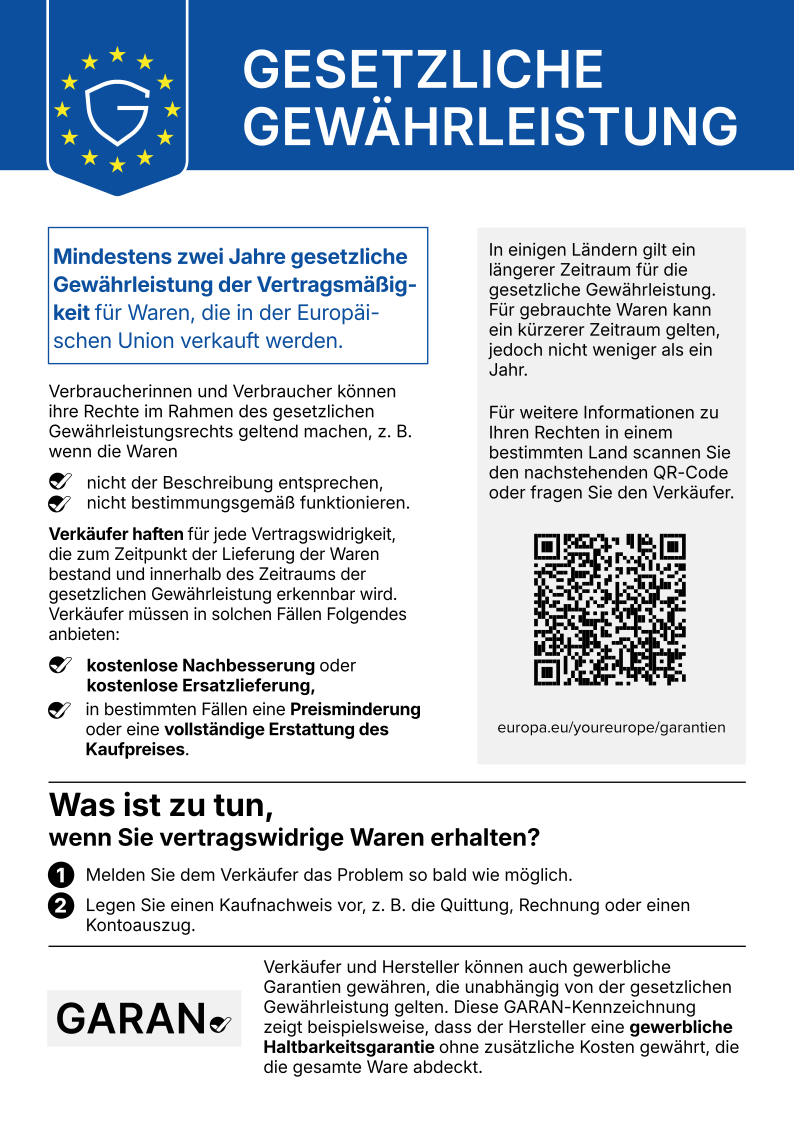

Informationen zum Kauf bei MA-Shops
Bestellungen bei MA-Shops sind jederzeit möglich und werden innerhalb von 2-4 Arbeitstagen verschickt.
Ein über die MA-Shops abgesicherter Kauf findet niemals außerhalb von MA-Shops statt.
Bestellen Sie sicher online mit dem MA-Shops Warenkorb.
Vielen Dank.
Ein über die MA-Shops abgesicherter Kauf findet niemals außerhalb von MA-Shops statt.
Bestellen Sie sicher online mit dem MA-Shops Warenkorb.
Vielen Dank.
|
Vertrag widerrufen Verkäufer-Startseite | 0Warenkorb | AGB | Impressum | MA AGB | Datenschutzerklärung | Garantie | MA-Shops Neuzugänge Copyright ® 2001-2026, MA-SHOPS Muenzen All Rights Reserved. Designated trademarks and brands are the property of their respective owners. |